The cost of the response
PT-141 side effects
The desire result is modest. Nausea was common enough to make some women leave treatment; that deserves room beside the efficacy figures.
Nausea, flushing and headache
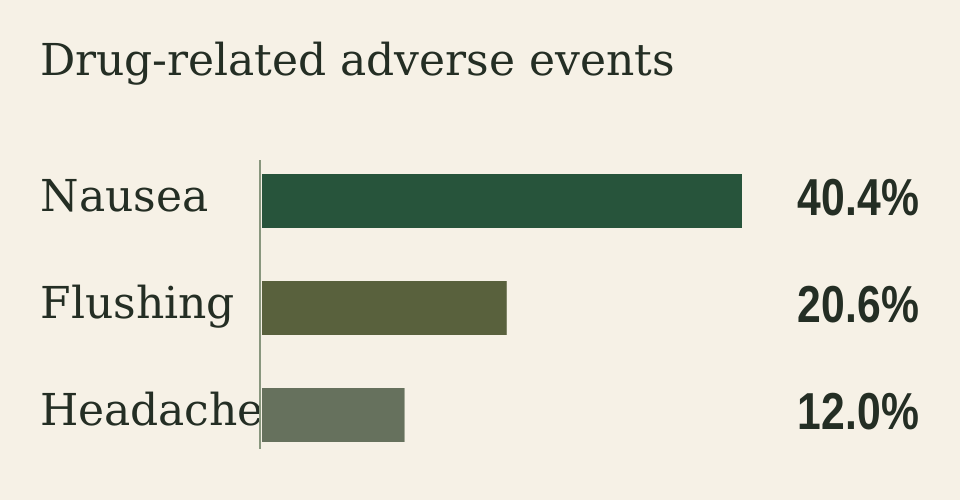
The 52-week open-label extension enrolled 684 women. Its most common drug-related adverse events were nausea (40.4%), flushing (20.6%) and headache (12.0%). Flushing means warmth and redness of the skin. Nausea was the principal tolerability issue and drove discontinuation.
I object to describing nausea here as a footnote. When the hoped-for gain is a change in desire, feeling sick can alter the whole value of that gain. The percentages belong to this follow-up population; they do not predict a particular person's experience. The pooled development-program analysis also identifies these symptoms as the leading adverse events.
Cardiovascular contraindications
The prescribing information describes a transient blood-pressure increase with a small decrease in heart rate. It lists uncontrolled hypertension and known cardiovascular disease as contraindications. Controlled blood pressure is assessed through readings; taking a blood-pressure medicine alone cannot establish control.
The ambulatory monitoring study followed blood pressure during daily life, and a Phase I tolerability study examined cardiovascular effects as well. I appreciate the attention to measurements outside a single clinic reading. A temporary change still requires attention to the person's underlying health.

Skin and gum darkening
The old tanning connection returns in the label. Bremelanotide can activate pigment-making cells through MC1R, and repeated frequent exposure can darken the face, gums and breasts. Freckles and moles can change too. The hyperpigmentation warning says changes may persist after stopping; darker baseline skin and more frequent use are relevant concerns.
I recognize the old tanning project in the pigment warning. Development selected a sexual-health purpose, while the receptor activity remained broader. Anecdotal accounts sometimes describe quick fading, but those accounts are not clinical evidence.
Other safety questions
The LiverTox monograph describes mild liver-enzyme elevations and rare clinically apparent liver injury. The prescribing information also records injection-site reactions and nasal congestion. Safety during pregnancy or breastfeeding has not been established by controlled human data in this site's research record. That is an evidence gap, with no basis here for reassuring claims about a developing baby or nursing infant.
I want discontinuation to receive the same sustained attention as continued use, with longer follow-up that accounts clearly for women who stopped because of adverse effects. Continued benefit among those who can tolerate treatment answers only part of the practical question.
Material outside the approved product
PT-141 research chemical is intended for laboratory work and sits outside the approved pharmaceutical product. Identity, purity and concentration cannot be inferred from the name. A forensic analysis of unregulated melanocortin samples documented bremelanotide and melanotan-II in that market.
A serious toxicity case involving melanotan-II concerns the related tanning compound, not bremelanotide itself. That distinction has to remain attached to the case. It illustrates an additional supply and exposure problem without furnishing an incidence rate for PT-141.