A molecule, several destinations
From tanning experiments came PT-141
A tanning compound led somewhere unexpected. The story of bremelanotide runs through desire, disappointment and a very particular approval.

What is PT-141?
PT-141 is the research name for bremelanotide, a synthetic peptide that acts on brain pathways involved in sexual desire. Its seven amino acids form a ring, and its targets include melanocortin receptors—proteins on cells that respond to chemical signals. The early pharmacology describes that central action. The finished medicine eventually reached a defined group of women with distressing low desire.
A desire medicine, I had assumed, would begin with a desire problem. Instead, it begins with skin pigment. That detour explains more about this compound than the tidy descriptions of a libido switch ever could.
From tanning research to bremelanotide
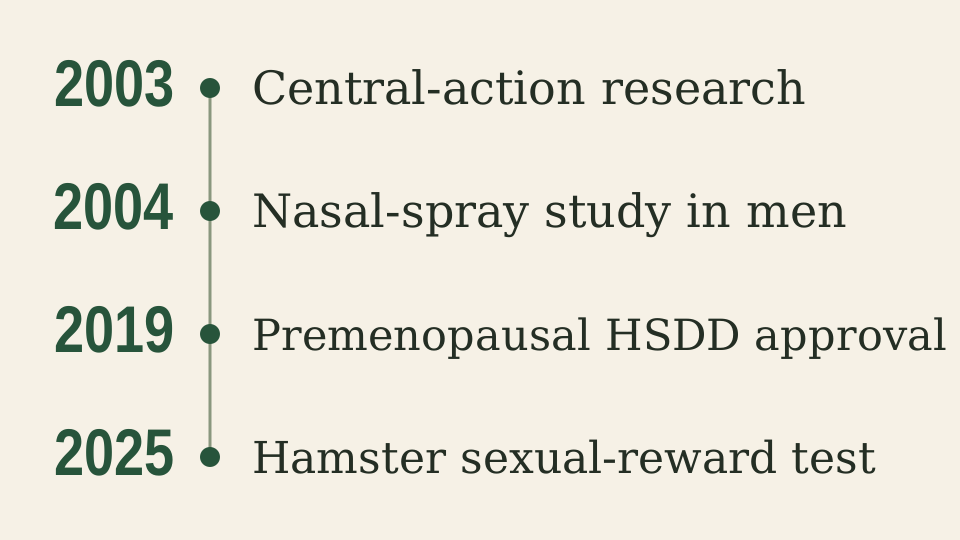
Melanotan-II, PT-141's predecessor, was explored for tanning. Unexpected sexual effects helped send the work in a different direction; a related molecule was developed to examine sexual function. The history of melanocortin therapeutics follows that development, while an early PT-141 profile describes the nasal-spray era.
I relish the unruly origin. A drug can acquire a new purpose while carrying some of its old biology along with it. Pigment changes still appear among bremelanotide's warnings. The appetite studies also enter the record, because a receptor involved in desire has other work to do.
The approved use
In June 2019, the FDA approved bremelanotide injection for acquired, generalized hypoactive sexual desire disorder in premenopausal women. In everyday language: desire has fallen from an earlier level, the loss occurs across situations, and it causes distress. HSDD is the abbreviation for that condition. The prescribing information defines the eligible population and excludes men, postmenopausal women and sexual-performance enhancement from the approved use.
That specificity matters to me. The interesting destination here is a medicine for a particular problem, rather than a general upgrade to sex. Material described as PT-141 research chemical remains outside the approved drug product and is intended for laboratory use only.
The desire trial results
The two RECONNECT trials enrolled 1,267 premenopausal women with HSDD. Over 24 weeks, bremelanotide produced modest improvements in desire and reduced distress compared with placebo. Those are the questionnaire results that supported approval. The research page gives the actual score differences and follows the earlier work in men.
The clinical ambition impresses me: can a drug change wanting sex? The size of the answer leaves me less enthusiastic. A measurable gain can be real and still feel small in someone's life.
Nausea and blood pressure
The longer follow-up recorded nausea in 40.4% of enrolled women, with flushing and headache also common. Nausea was the main tolerability problem and a reason women stopped. The label also describes temporary blood-pressure increases and a slower heart rate; uncontrolled hypertension and known cardiovascular disease are contraindications.
The side-effects page brings those findings together. For the separate timing question, PT-141 half-life and duration distinguishes drug levels in blood from the desire measured in a brain-imaging study.